In an age of constant noise, the most luxurious thing a home can offer is silence. Not the absence of sound — but the absence of clutter, of pretense, of design that shouts for attention. This is the soul of minimalist architecture, and it is quietly redefining what modern luxury means.
Minimalism in architecture is often misunderstood as cold, empty, or austere. In truth, it is the opposite. A well-designed minimalist home is deeply warm, sensorial, and human. Every surface, every shadow, every transition between rooms is intentional. Nothing is decorative for the sake of decoration — and that restraint is precisely what makes the space feel rich.
The Principles That Define Minimalist Design
Authentic minimalist architecture rests on a few enduring ideas:
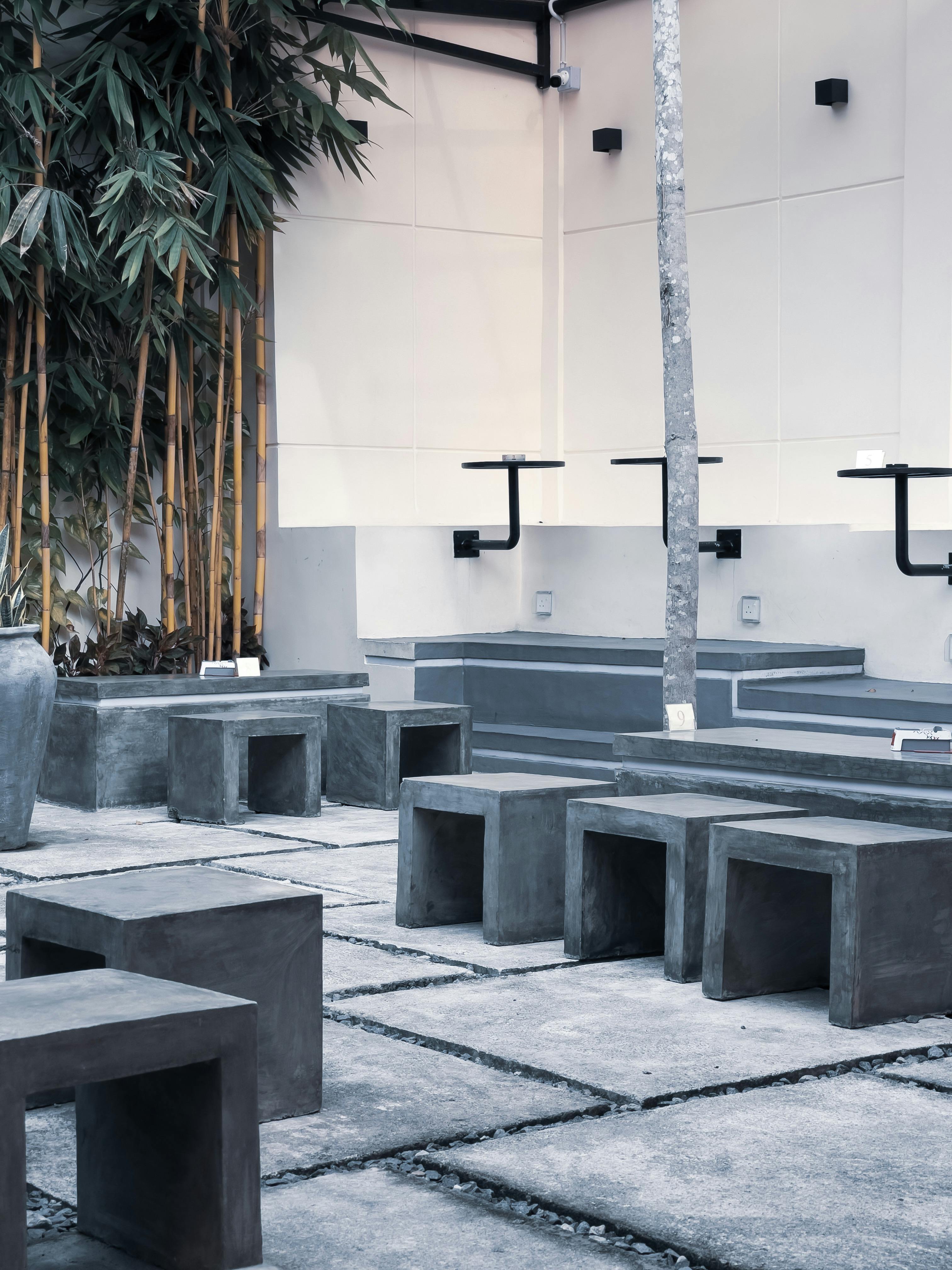
Honest materials remain at the heart of the practice. Stone, wood, lime plaster, and raw concrete are chosen not for trend but for the way they age — softening, weathering, gaining character across decades rather than losing relevance in a season.
Natural light is treated as a building material in its own right. South-facing apertures, deep reveals, and carefully placed clerestories allow daylight to move through a home like a slow, daily ceremony, shifting moods from morning calm to afternoon glow.
Negative space is given the same weight as built form. The pause between two walls, the breath of an empty courtyard, the unfilled corner — these are the elements that allow a home to feel expansive without being large.
Why Minimalism Outlasts Trends
Trend-driven interiors have a shelf life. Maximalist wallpapers, statement colors, and seasonal palettes can date a home within five years. Minimalist architecture, by contrast, is designed to be relevant in fifty. When a house is built around proportion, light, and material rather than fashion, it does not need to be redesigned every decade — it only needs to be lived in.
This is what makes minimalism a form of sustainability in itself. A home that is not torn down or remodeled every few years is a home that has already reduced its environmental cost. Add to that the use of locally sourced materials and passive climate strategies, and the minimalist approach quietly becomes one of the most ecological ways to build.
The Human Scale Behind the Aesthetic
For all its visual restraint, minimalist architecture is fundamentally about people. A successful minimalist home is measured not by its photographs but by the quality of a quiet Sunday morning within its walls. Does the light fall well on the breakfast table? Does the hallway feel generous without being wasteful? Does the bedroom hold silence the way a good book holds attention?
These are the questions that separate true minimalism from mere emptiness.
About Innate
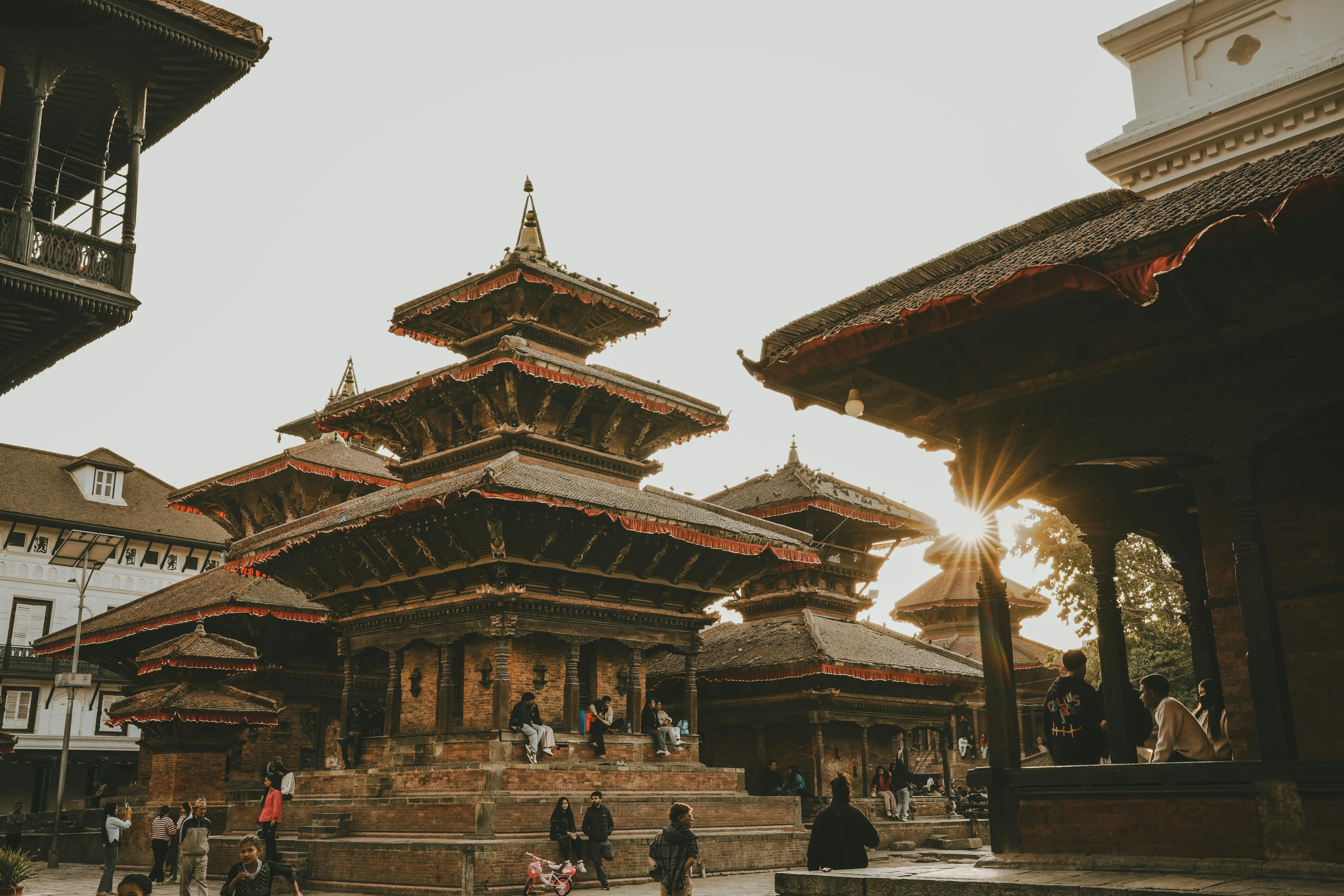
Innatedra is a multi-disciplinary architecture studio crafting slow, intentional spaces where landscape, light, and material come into quiet dialogue. From contemporary residential architecture and bespoke interior design to thoughtful space planning and sensitive heritage restoration, our studio delivers a holistic design journey rooted in permanence. Based in Kathmandu and working on commissions globally — with a strong portfolio across Kathmandu, Bhaktapur, and Nagarkot — Innatedra partners with private clients, hospitality brands, and heritage stakeholders to create buildings that age gracefully and interiors that feel timeless. Whether you are seeking a minimalist residential architect, a hospitality interior designer, or a heritage renovation specialist, Innatedra brings craftsmanship, ecological awareness, and human-scale design to every project we accept.
Designing for the Next Century
At Innatedra, we approach every residential commission with the same conviction: that beauty is found in the essence of things. Whether the project is a contemporary villa, a heritage retrofit, or a slow-living retreat, we design for the next century, not the next season. If you are considering a home that will quietly grow more beautiful with time, we would love to begin that conversation with you.